





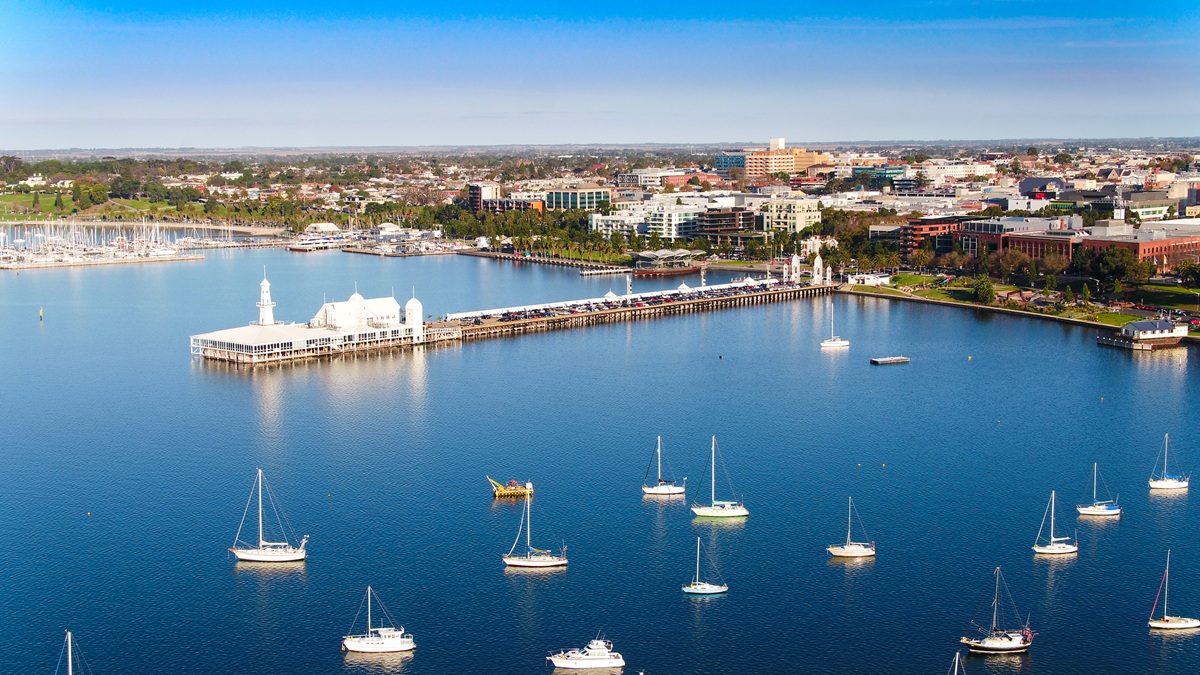
Regional centres such as Geelong have evolved significantly in recent years.
Once viewed primarily as an alternative to metropolitan living, they are now increasingly recognised as destinations in their own right, offering a compelling mix of lifestyle, connectivity and community.
That shift has been driven by several factors. Improved infrastructure, greater flexibility in how and where people work, and a growing preference for space and amenity have all strengthened the appeal of regional living.
For many buyers, Geelong represents an attractive proposition: coastal access, open space, established community and relative proximity to Melbourne.
But as demand has grown, so too has the challenge of preserving housing affordability without losing the lifestyle advantages that have made these communities so desirable in the first place.
In Geelong and other high-growth regional centres, rising property values have reshaped the market.
While that growth reflects confidence in these locations and their long-term appeal, it also changes who can afford to live there.
Buyers today are not simply purchasing a home. They are buying into a broader lifestyle proposition. They are looking for access to schools, childcare, transport, open space and community infrastructure, as well as homes and neighbourhoods that are well designed and fit for modern living. These are reasonable expectations, but they also come with a cost.
This is where the conversation becomes broader than housing alone. Rising price points driven by increased housing taxes, levies and building regulations influence not only what buyers can afford, but also how regional economies function.
When housing becomes less accessible, local businesses can feel the strain through increased wage pressure, more difficult staff attraction and retention, and higher overall operating costs. For small and medium businesses in particular, this can create real constraints in markets that depend on a stable and diverse local workforce.
That is why the discussion around housing taxes, levies and building regulations in regional areas must be framed in a wider economic context. Housing affordability is not just a social issue or a planning issue. It is also a productivity issue, a workforce issue and a long-term sustainability issue for regional communities.
It also highlights the importance of collaboration. Developers, government and industry all have a role to play in ensuring housing supply responds to demand in a way that is balanced, sustainable and aligned with the needs of growing communities.
Geelong is a strong example of the opportunity in front of regional Australia. Its continued growth presents a chance to lead by example, showing how regional development can support lifestyle, accessibility and economic strength at the same time.
As the housing conversation continues to evolve the impact of new taxes, levies and building regulations on affordability need to be considered.
The long-term success of regional communities will depend on our ability to strike that balance thoughtfully, ensuring places like Geelong remain vibrant, inclusive and economically resilient for generations to come.